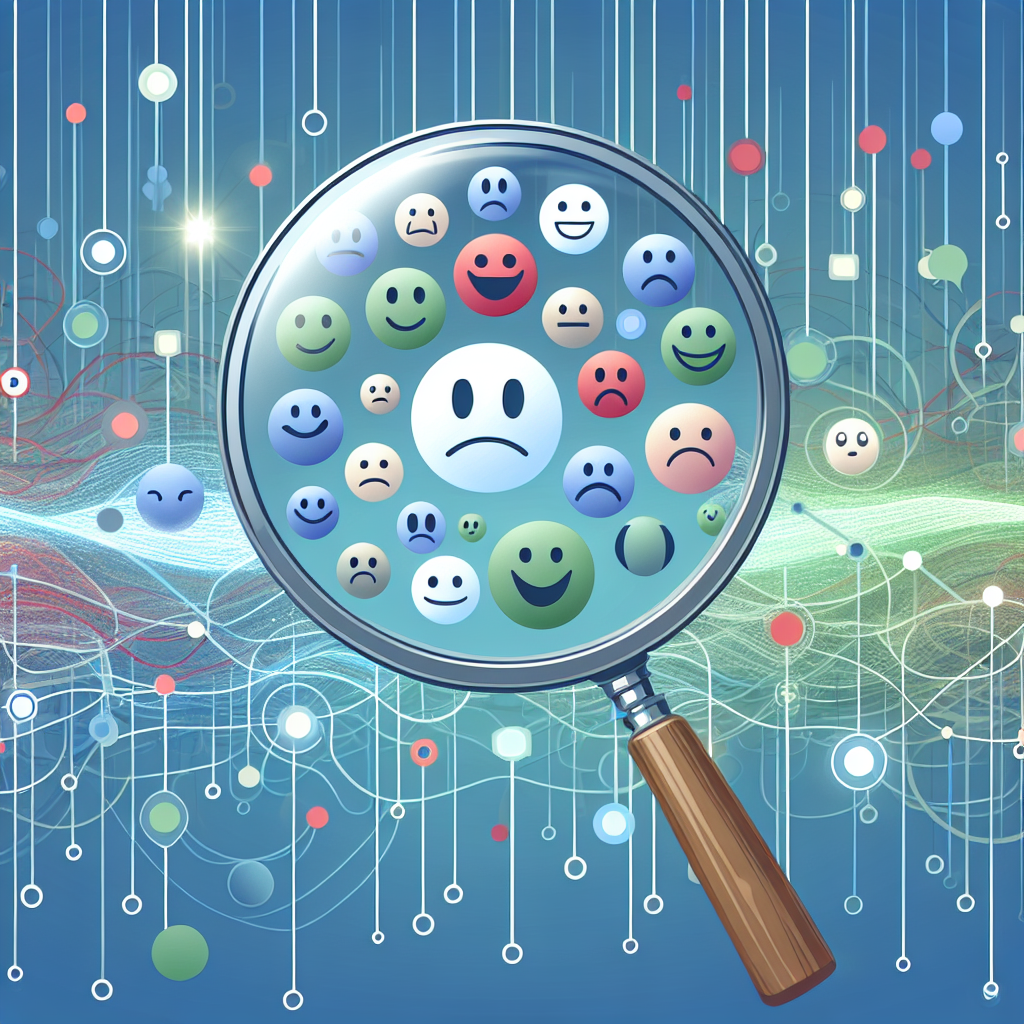
The Role of Sentiment Analysis in Marketing
In the fast-paced world of digital marketing, understanding your audience is key to crafting effective strategies. One tool that has become indispensable in this endeavor is sentiment analysis. But what exactly is sentiment analysis, and how can it transform your marketing efforts? Let’s dive into the exciting world of sentiment analysis and explore its role in modern marketing. 🌟
Table of Contents
1. Introduction to Sentiment Analysis
2. How Sentiment Analysis Works
3. Benefits of Sentiment Analysis in Marketing
4. Applications of Sentiment Analysis
5. Challenges and Limitations
6. Conclusion
7. FAQs
Introduction to Sentiment Analysis
Sentiment analysis, also known as opinion mining, is a powerful technique used to determine the emotional tone behind a series of words. This process helps to identify opinions expressed in text, particularly to understand the attitudes, emotions, and opinions of your audience. In the realm of marketing, this becomes a goldmine of insights, allowing businesses to tailor their strategies based on real-time feedback and emotions. 📊
How Sentiment Analysis Works
Sentiment analysis uses natural language processing (NLP), text analysis, and computational linguistics to identify and extract subjective information from source materials. Here’s a brief overview of how it works:
1. Data Collection: The first step involves gathering data from various sources such as social media platforms, customer reviews, and forums.
2. Text Processing: The collected data is then processed to filter out noise and irrelevant information, focusing only on the valuable content.
3. Sentiment Classification: Using algorithms, the processed text is classified into different categories such as positive, negative, or neutral sentiments.
4. Interpretation: Finally, the results are interpreted to provide insights into customer opinions and emotions.
Benefits of Sentiment Analysis in Marketing
Understanding sentiment analysis is just the beginning. Let’s explore the tangible benefits it brings to the marketing table:
Enhancing Customer Experience: By analyzing feedback, businesses can understand customer pain points and address them proactively, resulting in improved customer satisfaction. 😊
Real-Time Market Insights: Sentiment analysis provides real-time feedback, allowing marketers to gauge the success of their campaigns and make necessary adjustments swiftly.
Brand Reputation Management: By monitoring sentiments, companies can quickly identify and respond to potential PR crises, protecting their brand image.
Competitive Analysis: Understanding the sentiment around competitors can provide valuable insights into market positioning and potential opportunities.
Applications of Sentiment Analysis
Sentiment analysis can be applied in various marketing contexts to drive growth and engagement:
1. Social Media Monitoring: Analyze customer sentiments in social media conversations to gauge public perception and improve engagement strategies.
2. Product Development: Use customer feedback to understand what features or improvements are desired, helping guide product development.
3. Content Strategy: Tailor content to resonate with your audience by understanding their emotional responses to different topics and themes.
4. Customer Support: Enhance customer service by identifying negative sentiments and addressing them promptly.
Challenges and Limitations
While sentiment analysis offers numerous benefits, it is not without its challenges:
1. Sarcasm and Irony: Detecting sarcasm and irony can be difficult for algorithms, leading to potential misinterpretations.
2. Contextual Understanding: Sometimes, sentiment analysis may struggle to understand the context of a conversation, affecting accuracy.
3. Language Nuances: Variations in language, slang, and cultural differences can pose challenges in accurately interpreting sentiments.
Conclusion
Sentiment analysis has undeniably become a crucial component of modern marketing strategies. By tapping into the emotions and opinions of your audience, you can craft more personalized and effective campaigns. While there are challenges to overcome, the insights gained from sentiment analysis can provide a significant competitive edge in today’s digital landscape. So, embrace sentiment analysis, and let it guide you to marketing success! 🚀
FAQs
Q1: What is sentiment analysis used for in marketing?
A1: Sentiment analysis is used to gauge customer emotions and opinions about a brand, product, or service. It helps marketers tailor their strategies to better meet customer needs and improve overall engagement.
Q2: Can sentiment analysis detect sarcasm?
A2: Detecting sarcasm is a challenge for sentiment analysis algorithms due to the complexity of language nuances. However, advancements in AI are continuously improving its ability to interpret such subtleties.
Q3: How does sentiment analysis benefit customer service?
A3: Sentiment analysis helps identify negative sentiments in customer interactions, allowing businesses to promptly address issues, thus enhancing customer service and satisfaction.
Q4: Is sentiment analysis accurate?
A4: While sentiment analysis is generally reliable, its accuracy can be affected by factors such as language complexity, context, and sarcasm. However, ongoing advancements in technology continue to improve its precision.