The Role of Consumer Psychology in Advertising
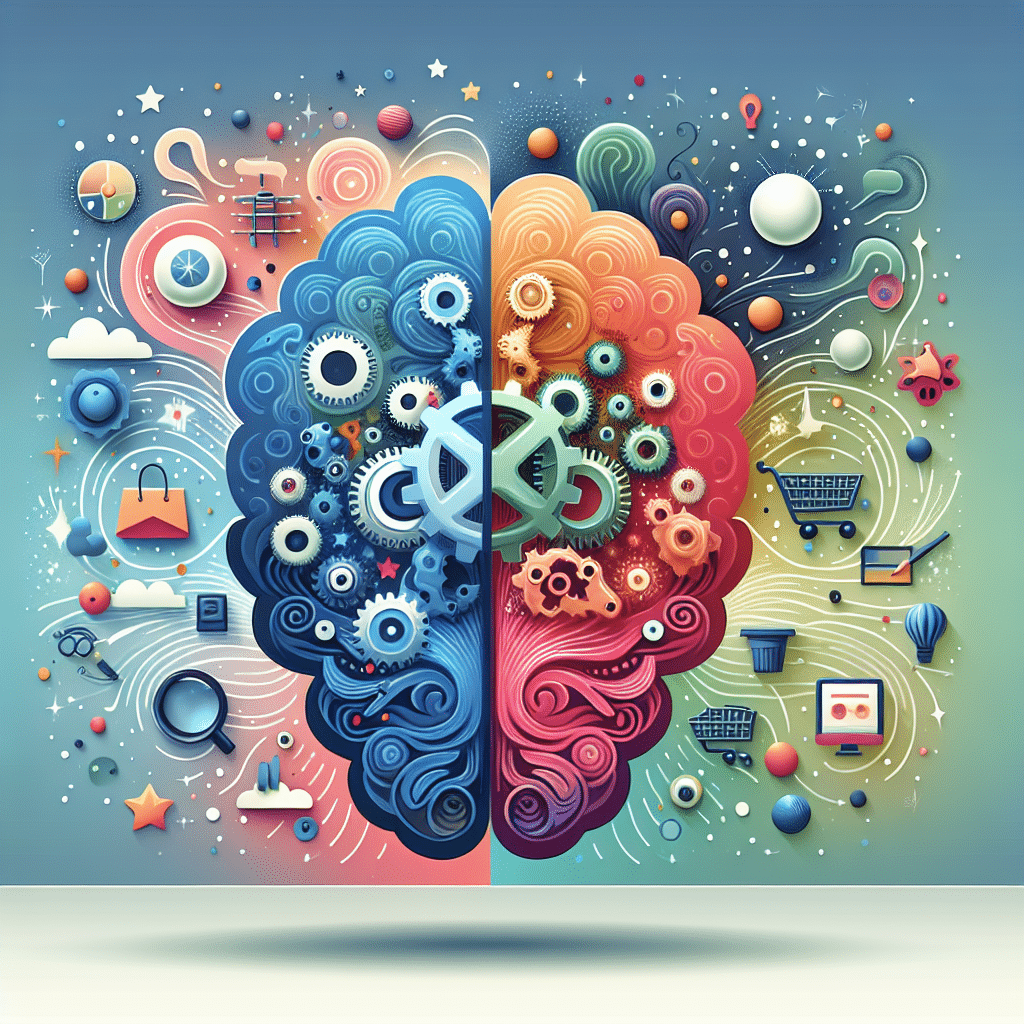
In the bustling world of advertising, understanding consumer behavior is more critical than ever. But what exactly drives us to choose one brand over another? The answer lies in consumer psychology—a fascinating field that advertisers tap into to create compelling campaigns. In this blog post, we will delve into the depths of consumer psychology and explore its significance in advertising. Let’s embark on this journey to uncover the secrets behind successful marketing strategies!
Table of Contents
1. Understanding Consumer Psychology
2. Emotional Appeal in Advertising
3. The Power of Social Proof
4. Scarcity and Urgency
5. Color Psychology and Branding
6. Conclusion
7. FAQs
Understanding Consumer Psychology
Consumer psychology is the study of how our thoughts, beliefs, feelings, and perceptions influence our buying behavior. It involves analyzing why we make certain purchasing decisions and how factors like emotions, social influences, and cultural norms play a significant role in those choices. Advertisers use this knowledge to craft messages that resonate with their target audience, ultimately driving consumer engagement and sales.
Emotional Appeal in Advertising
Emotions are powerful motivators. Whether it’s happiness, nostalgia, fear, or excitement, emotions can significantly impact our purchasing decisions. Advertisers often use emotional appeal to create a connection with the audience, making their brand more relatable and memorable. For instance, a commercial showcasing a family enjoying a meal together might evoke feelings of warmth and togetherness, prompting viewers to associate those feelings with the brand being advertised.
The Power of Social Proof
Have you ever bought a product because it was highly recommended by a friend or had stellar reviews online? That’s social proof in action! Social proof is a psychological phenomenon where people look to the actions of others to determine their own. Advertisers harness social proof by highlighting testimonials, reviews, and endorsements from satisfied customers. This strategy not only builds trust but also encourages potential buyers to join the crowd and make a purchase.
Scarcity and Urgency
Ever noticed how limited-time offers or phrases like “only a few left in stock” can spur you into making a quick purchase? These tactics leverage the principles of scarcity and urgency. When a product is perceived as scarce, it becomes more desirable, and the fear of missing out (FOMO) kicks in. Advertisers often use countdowns, flash sales, and exclusive deals to create a sense of urgency, prompting consumers to act fast.
Color Psychology and Branding
Colors have a profound impact on our emotions and perceptions. Different colors can evoke different feelings and associations, making color psychology a crucial aspect of branding and advertising. For example, blue is often associated with trust and reliability, which is why many financial institutions use it in their branding. Meanwhile, red can evoke feelings of excitement and urgency, making it a popular choice for clearance sales and call-to-action buttons.
Conclusion
In the dynamic landscape of advertising, understanding consumer psychology is paramount. By tapping into the psychological drivers behind consumer behavior, advertisers can create more effective and engaging campaigns. From emotional appeals to social proof, scarcity tactics, and color psychology, these strategies are designed to capture attention and influence buying decisions. As consumers, being aware of these tactics can empower us to make more informed choices. So the next time you see an ad that catches your eye, take a moment to think about the psychological strings it might be pulling! 🎯
FAQs
What is consumer psychology?
Consumer psychology is the study of how our thoughts, beliefs, feelings, and perceptions influence our buying behavior. It helps advertisers understand why consumers make certain purchasing decisions.
How does emotional appeal work in advertising?
Emotional appeal works by connecting with the audience on a personal level, evoking specific emotions that make the brand more relatable and memorable, ultimately influencing their purchasing decisions.
What is social proof, and why is it important?
Social proof is a psychological phenomenon where people look to the actions of others to guide their own. It’s important because it builds trust and encourages potential buyers to follow the crowd, enhancing the effectiveness of advertising strategies.
How do scarcity and urgency influence consumer behavior?
Scarcity and urgency create a fear of missing out (FOMO) by making products appear limited in availability or time-sensitive, prompting consumers to make quick purchasing decisions.
Why is color psychology important in advertising?
Color psychology is important because colors can evoke specific emotions and associations, influencing consumer perceptions and behavior. Different colors can be used strategically to enhance branding and advertising effectiveness.