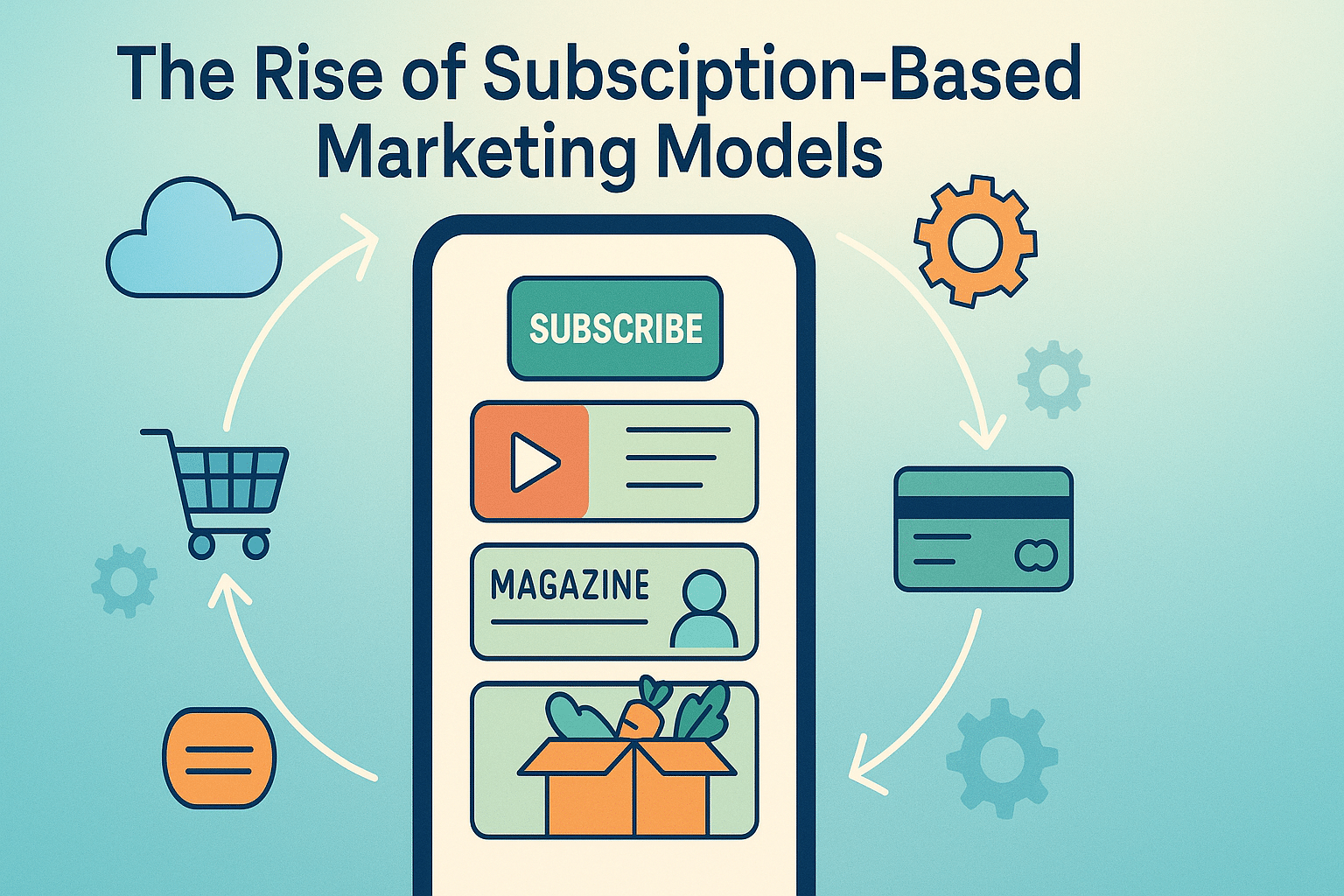
The Rise of Subscription-Based Marketing Models
In an era where consumer preferences are rapidly evolving, businesses are innovating their strategies to keep up with these changes. One model that has gained significant traction is subscription-based marketing. But what exactly is it, and why is it becoming so popular? Let’s dive into the world of subscriptions and discover how they are transforming the marketing landscape.
Table of Contents
1. Introduction to Subscription-Based Marketing
2. Why Subscription Models Are Thriving
3. Benefits for Businesses
4. Advantages for Consumers
5. Popular Industries Embracing Subscriptions
6. Challenges and Considerations
7. The Future of Subscription Models
8. Conclusion
9. FAQs
Introduction to Subscription-Based Marketing
Subscription-based marketing is a business model where customers pay a recurring fee at regular intervals to access a product or service. This model is not just about selling a product; it’s about building an ongoing relationship with customers. From Netflix’s streaming service to Dollar Shave Club’s razors, subscriptions have revolutionized how we consume products and services.
Why Subscription Models Are Thriving
The shift towards subscription models can be attributed to several factors. Firstly, there’s the convenience factor. In today’s fast-paced world, consumers appreciate the ease of receiving products or services without having to reorder them continuously. Secondly, there’s the appeal of personalization. Subscription services often leverage data to tailor their offerings to individual preferences, enhancing the user experience. Finally, the predictability of cost is attractive to consumers who prefer budgeting with a fixed monthly expense.
Benefits for Businesses
For businesses, the subscription model offers a steady stream of revenue. This predictability allows companies to better forecast their financials and invest in growth strategies. Additionally, subscription models foster strong customer relationships, leading to increased loyalty and reduced churn rates. Businesses also gain valuable insights from customer data, enabling them to refine their products and marketing strategies further.
Advantages for Consumers
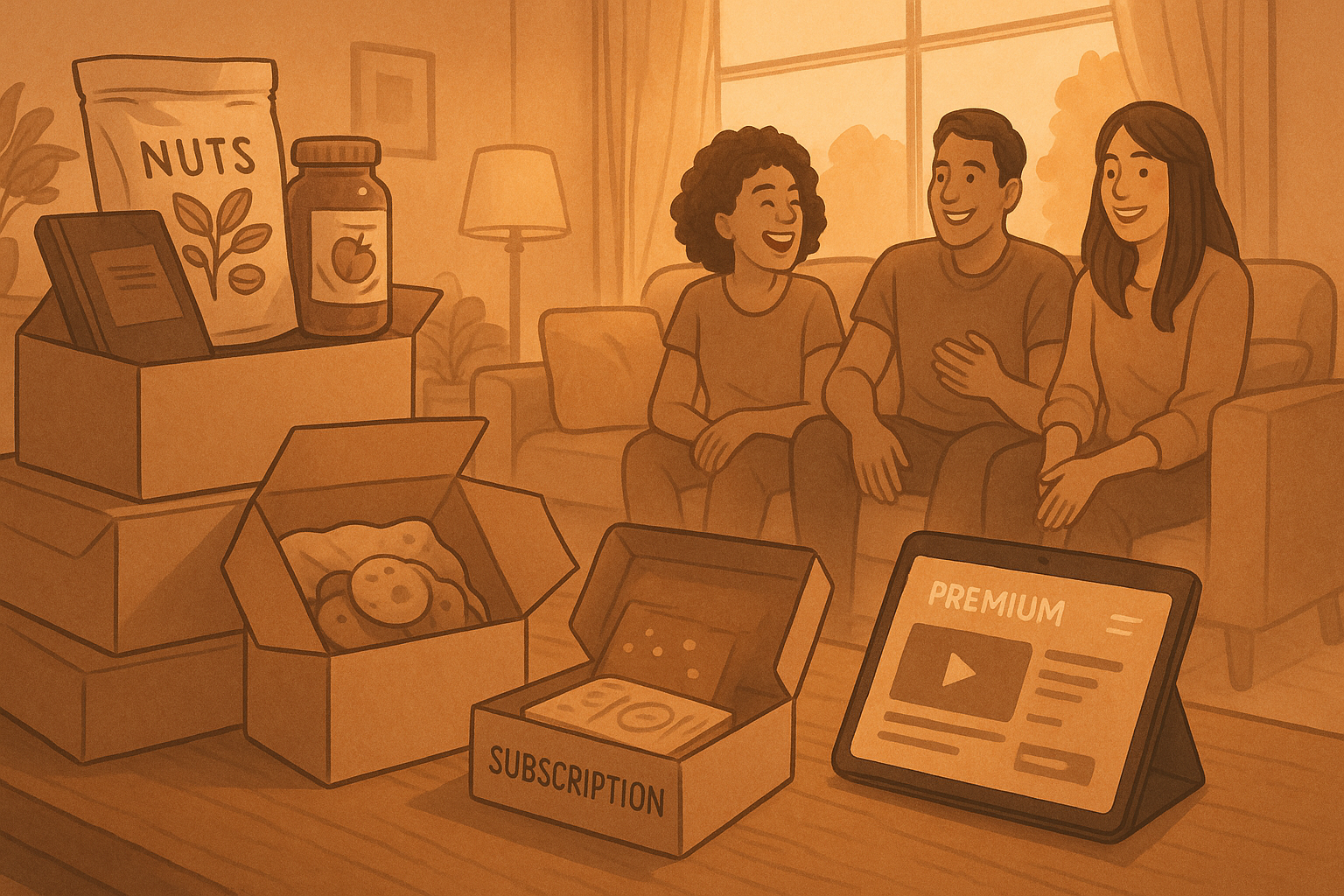
Consumers benefit from the subscription model in several ways. There’s the convenience of automatic delivery, the joy of discovery with curated boxes, and access to premium content or services at a fraction of the cost. Moreover, subscriptions often provide a sense of community among users, enhancing customer engagement and satisfaction.
Popular Industries Embracing Subscriptions
The subscription model has spread across various industries:
Media and Entertainment: Platforms like Spotify and Netflix are pioneers in offering unlimited access to content for a monthly fee.
Retail: From fashion to beauty, companies like Stitch Fix and Birchbox offer curated experiences tailored to customer preferences.
Software: SaaS (Software as a Service) companies like Adobe and Microsoft have transitioned to subscription-based models, offering continuous updates and support.
Food and Beverage: Meal kits and snack boxes, such as Blue Apron and Graze, provide convenience and variety directly to consumers’ doorsteps.
Challenges and Considerations
Despite its benefits, the subscription model is not without challenges. Businesses must continuously innovate to keep their offerings fresh and engaging. There’s also the risk of subscription fatigue, where consumers become overwhelmed by the number of subscriptions they’re managing. Additionally, businesses must ensure their pricing strategies are competitive yet sustainable.
The Future of Subscription Models
The future looks promising for subscription-based marketing. As technology advances, we can expect even more personalized and seamless subscription experiences. Artificial intelligence and machine learning will play a significant role in predicting consumer behavior and preferences, allowing businesses to fine-tune their offerings further. However, companies must remain adaptable and responsive to changing consumer demands to thrive in this dynamic landscape.
Conclusion
Subscription-based marketing models are more than just a trend; they represent a fundamental shift in how businesses engage with consumers. By offering convenience, personalization, and predictability, subscriptions have secured a firm place in the modern economy. As both businesses and consumers continue to embrace this model, it’s clear that subscriptions are here to stay.
FAQs
What is a subscription-based marketing model? 🤔
A subscription-based marketing model is one where consumers pay a recurring fee to access a product or service regularly. This model focuses on building long-term customer relationships.
Why are subscription models becoming popular? 📈
Subscription models are popular due to their convenience, personalization, and predictable costs. They also allow businesses to maintain a steady revenue stream and gain valuable customer insights.
What industries are most impacted by subscription models? 🌐
Industries such as media and entertainment, retail, software, and food and beverage have embraced subscription models, offering various products and services through this approach.
What challenges do businesses face with subscription models? 🚧
Challenges include the need for continuous innovation, managing subscription fatigue among consumers, and setting competitive yet sustainable pricing strategies.