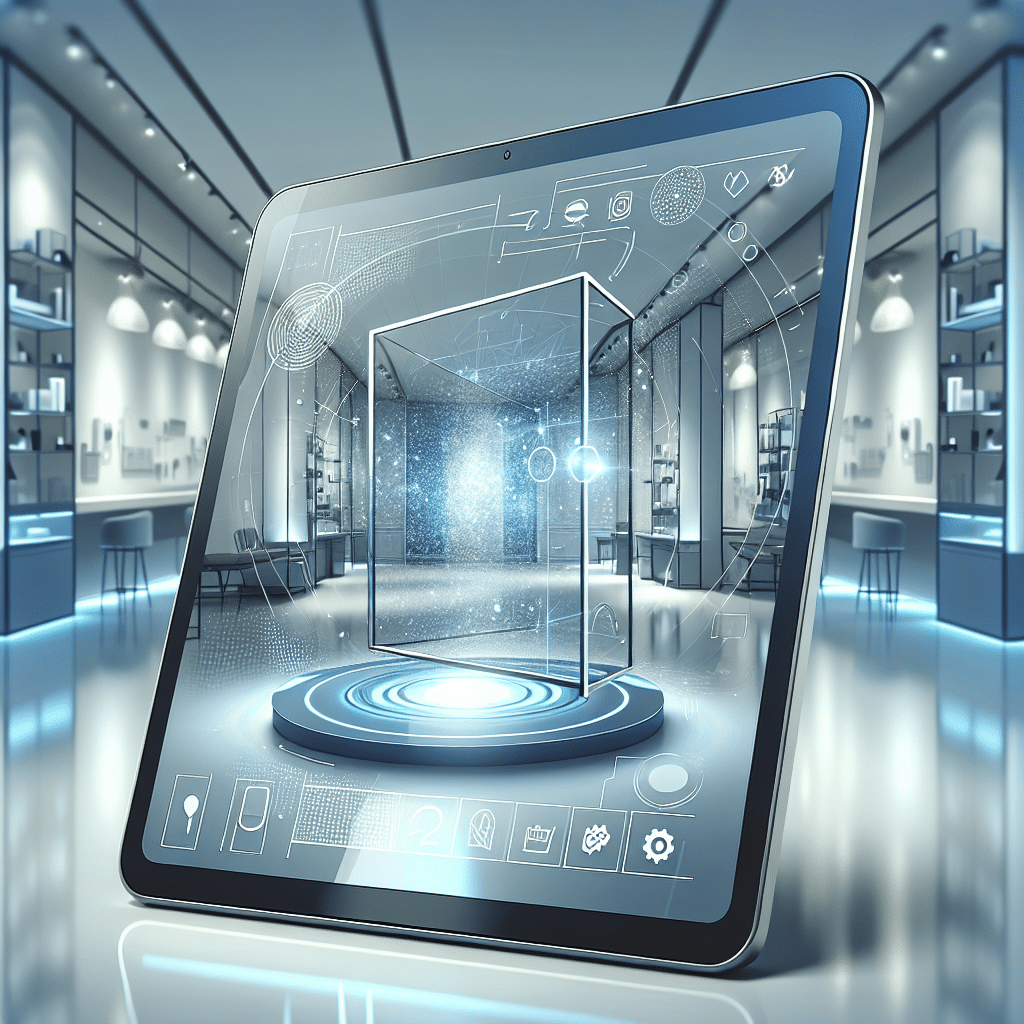
How to Use Augmented Reality for Product Demonstrations
In the ever-evolving world of technology, augmented reality (AR) has emerged as a transformative tool for businesses. It not only enhances user experience but also serves as a powerful medium for product demonstrations. This blog post will walk you through the essentials of using augmented reality for product demonstrations, making your offerings more engaging and accessible than ever before.
Table of Contents
1. Introduction to Augmented Reality
2. Benefits of Using AR in Product Demonstrations
3. Steps to Implement AR for Product Demonstrations
4. Best Practices for Effective AR Demonstrations
5. Challenges and Solutions
6. Conclusion
7. FAQs

Introduction to Augmented Reality
Augmented reality is a technology that overlays digital information—such as images, sounds, and text—onto the real world. Unlike virtual reality, which creates a completely artificial environment, AR enhances the real-world experience by adding layers of digital information. Imagine trying on clothes without stepping into a changing room or visualizing how a piece of furniture would fit into your living room—all from your smartphone. This is the power of AR! 🌟
Benefits of Using AR in Product Demonstrations
Implementing AR in product demonstrations offers numerous advantages:
1. Enhanced Customer Engagement: AR creates immersive and interactive experiences that keep customers engaged. Users can interact with products in a virtual space, making the shopping experience much more dynamic.
2. Increased Understanding: By visualizing products in a real-world context, customers can better understand features and functionalities, reducing confusion and enhancing decision-making.
3. Reduced Return Rates: When customers have a clear idea of how a product will fit or function in their lives, they are less likely to return it. AR helps set accurate expectations.
4. Competitive Advantage: Utilizing AR sets your brand apart from competitors who rely on traditional demonstration methods. It’s a modern approach that appeals to tech-savvy consumers.
Steps to Implement AR for Product Demonstrations
Getting started with AR demonstrations might seem daunting, but with the right steps, it can be a seamless process:
1. Define Your Objectives: Clearly outline what you aim to achieve with AR. Whether it’s boosting sales, improving customer engagement, or enhancing product understanding, having a clear goal will guide your implementation.
2. Choose the Right AR Platform: Selecting the appropriate platform is crucial. Consider factors like ease of use, compatibility with devices, and customization options. Popular AR platforms include ARKit, ARCore, and Vuforia.
3. Develop Engaging Content: The success of an AR demonstration hinges on the quality of its content. Work with creative professionals to develop 3D models, animations, and interactive elements that truly showcase your product’s features.
4. Test and Refine: Before launching, conduct thorough testing to identify any glitches or areas for improvement. Gathering feedback from test users can provide valuable insights.
5. Launch and Promote: Once your AR demonstration is polished, launch it and promote it across your marketing channels. Ensure your customers know about this innovative way to explore your products.
Best Practices for Effective AR Demonstrations
To maximize the impact of your AR demonstrations, keep these best practices in mind:
1. Keep It Simple: Ensure that the AR experience is intuitive and easy to navigate. Complicated interfaces can deter users.
2. Focus on Value: Highlight the key features and benefits of your product. The AR experience should clearly convey why the product is valuable to the user.
3. Encourage Interaction: Allow users to manipulate and explore the product in a virtual space. Interaction increases engagement and retention.
4. Maintain Consistency: Ensure that the AR experience is consistent with your brand’s messaging and visual identity.
Challenges and Solutions
As with any technology, implementing AR comes with its share of challenges:
1. Technical Limitations: Not all devices support AR. Solution: Provide alternative options for users with older devices, such as videos or 3D images.
2. Cost: Developing AR content can be expensive. Solution: Start small, test the waters, and gradually expand your AR capabilities.
3. User Adoption: Some users may be hesitant to try new technology. Solution: Offer tutorials or demos to help users feel comfortable with the AR experience.
Conclusion
Augmented reality is revolutionizing the way businesses showcase their products. By offering interactive and immersive experiences, AR not only enhances customer engagement but also drives sales and reduces return rates. While challenges exist, the benefits far outweigh the hurdles, making AR an essential tool in modern marketing strategies.
FAQs
Q: Do I need a special device to experience AR product demonstrations?
A: Most modern smartphones and tablets support AR through apps, but it’s always good to check device compatibility.
Q: Is AR suitable for all types of products?
A: While AR is versatile, it tends to be most effective for products that benefit from visual interaction, such as furniture, clothing, and electronics.
Q: How expensive is it to develop an AR experience?
A: Costs can vary widely depending on the complexity of the AR application. Starting with a simple, pilot project can help manage expenses.
Embrace the future of product demonstration with augmented reality and watch your brand soar to new heights. 🚀