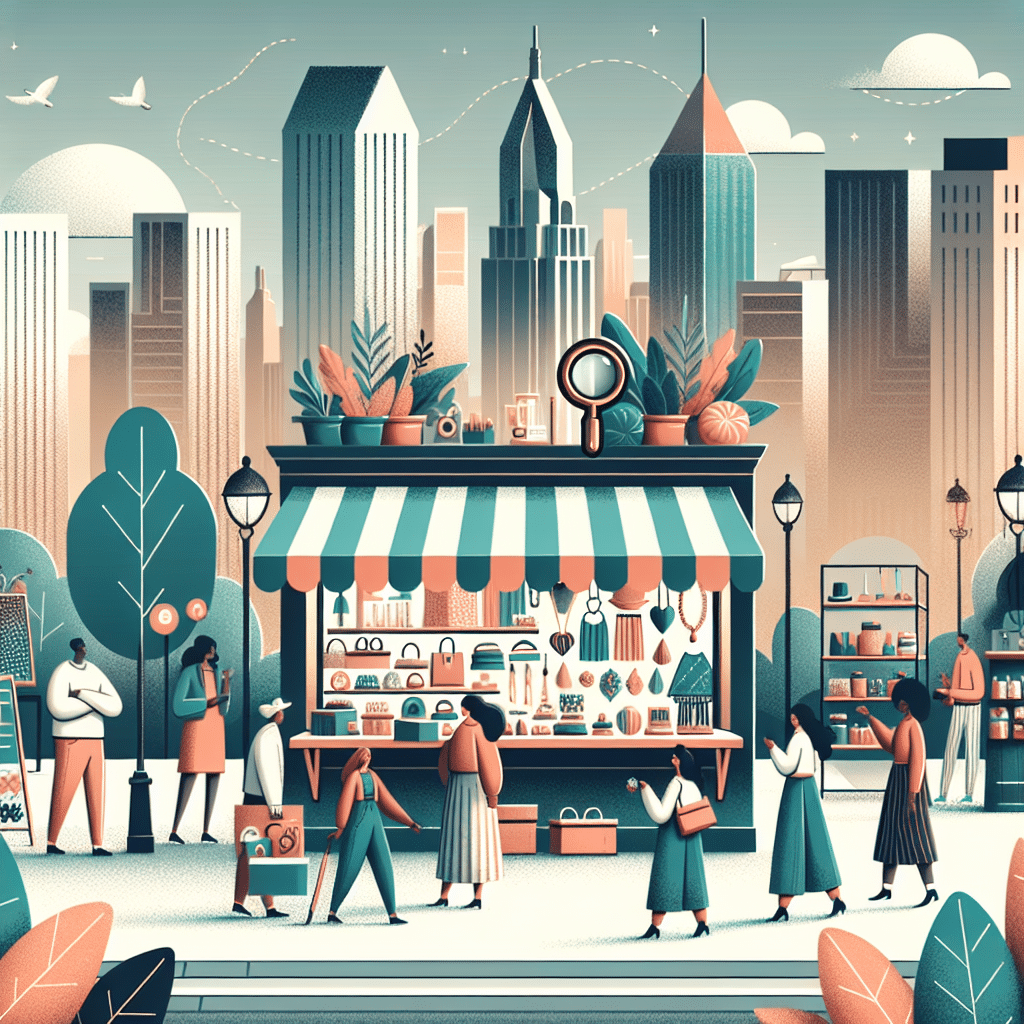
How to Use Pop-Up Shops for Increased Brand Visibility
In today’s fast-paced retail landscape, businesses are constantly seeking innovative ways to capture the attention of their target audience. One of the most effective strategies to emerge in recent years is the use of pop-up shops. These temporary retail spaces provide brands with a unique platform to engage with customers, boost sales, and increase brand visibility. In this blog post, we’ll explore how you can leverage pop-up shops to enhance your brand’s presence and connect with your audience in meaningful ways.
Table of Contents
1. Introduction to Pop-Up Shops
2. Benefits of Using Pop-Up Shops
3. Planning Your Pop-Up Shop
4. Creating an Engaging Experience
5. Marketing Your Pop-Up Shop
6. Measuring Success
7. Conclusion
8. FAQs
Introduction to Pop-Up Shops
Pop-up shops are temporary retail spaces that allow businesses to showcase their products and services for a limited time. These ephemeral stores can appear anywhere from vacant storefronts to unique venues like art galleries or even mobile units. The flexibility and novelty of pop-up shops make them an exciting avenue for brands to reach new customers and create buzz around their offerings. 🌟
Benefits of Using Pop-Up Shops
Pop-up shops offer a plethora of advantages for brands looking to expand their reach:
1. Increased Brand Awareness: By situating your pop-up shop in high-traffic areas, you can attract new customers who may have never encountered your brand online or in traditional retail channels.
2. Cost-Effective Marketing: Compared to long-term leases, pop-up shops are a cost-effective way to market your brand. They require less financial commitment while providing significant exposure.
3. Direct Customer Engagement: Pop-up shops offer a unique opportunity for face-to-face interaction with customers. This personal touch can lead to enhanced customer loyalty and valuable feedback.
4. Testing New Markets: Before committing to a permanent location, brands can use pop-up shops to test new markets and gather insights into consumer preferences and behaviors.
Planning Your Pop-Up Shop
Successful pop-up shops require careful planning and execution. Here are some essential steps to consider:
1. Define Your Goals: What do you hope to achieve with your pop-up shop? Whether it’s brand awareness, product testing, or customer feedback, having clear objectives will guide your planning process.
2. Choose the Right Location: Location is critical for attracting foot traffic. Look for areas that align with your target audience’s demographics and interests.
3. Set a Budget: Determine the costs involved, including rent, interior design, staffing, and marketing. Keeping a tight budget will ensure your pop-up shop remains a profitable venture.
Creating an Engaging Experience
To make your pop-up shop memorable, focus on creating an engaging and immersive experience for your visitors:
1. Design and Aesthetics: Use eye-catching designs and displays to draw people in. A well-designed space can leave a lasting impression and encourage social media sharing.
2. Interactive Elements: Incorporate interactive elements, such as product demonstrations or workshops, to engage customers and encourage them to spend more time at your shop.
3. Personalized Service: Train your staff to provide personalized service and share product knowledge. This adds a human touch that can significantly enhance the customer experience.
Marketing Your Pop-Up Shop
Effective marketing is crucial to the success of your pop-up shop. Here are some strategies to consider:
1. Social Media Promotion: Leverage your social media channels to build anticipation and share updates about your pop-up shop. Use platforms like Instagram, Facebook, and Twitter to reach a wider audience. 📱
2. Collaborate with Influencers: Partner with local influencers to promote your pop-up shop. Their endorsement can increase your reach and draw more visitors.
3. Email Marketing: Send out email invitations to your existing customer base, offering exclusive promotions or sneak peeks to entice them to visit.
Measuring Success
After your pop-up shop concludes, it’s essential to evaluate its success to determine its impact on your brand:
1. Sales Metrics: Analyze sales data to assess the financial success of your pop-up shop. Compare it to your initial goals and budget.
2. Customer Feedback: Gather feedback from visitors to understand what worked well and what could be improved in future pop-up events.
3. Social Media Engagement: Monitor social media mentions and engagement to measure the reach and impact of your pop-up shop.
Conclusion
Pop-up shops offer a dynamic and versatile way to enhance your brand visibility and connect with new customers. By carefully planning and executing your pop-up shop, you can create a memorable experience that leaves a lasting impression on your audience. Whether you’re looking to test new markets, boost sales, or simply increase brand awareness, pop-up shops provide a powerful platform to achieve your goals. 🚀
FAQs
Q1: How long should a pop-up shop last?
A pop-up shop can last anywhere from a single day to several weeks, depending on your goals and budget. Shorter durations can create a sense of urgency, encouraging more visits.
Q2: What types of businesses can benefit from pop-up shops?
Virtually any business can benefit from a pop-up shop, from fashion brands and beauty products to food and beverage companies. The key is to create an engaging experience that resonates with your target audience.
Q3: Do I need a special permit to open a pop-up shop?
Permit requirements vary by location. It’s essential to check with local authorities and secure any necessary permits before opening your pop-up shop.