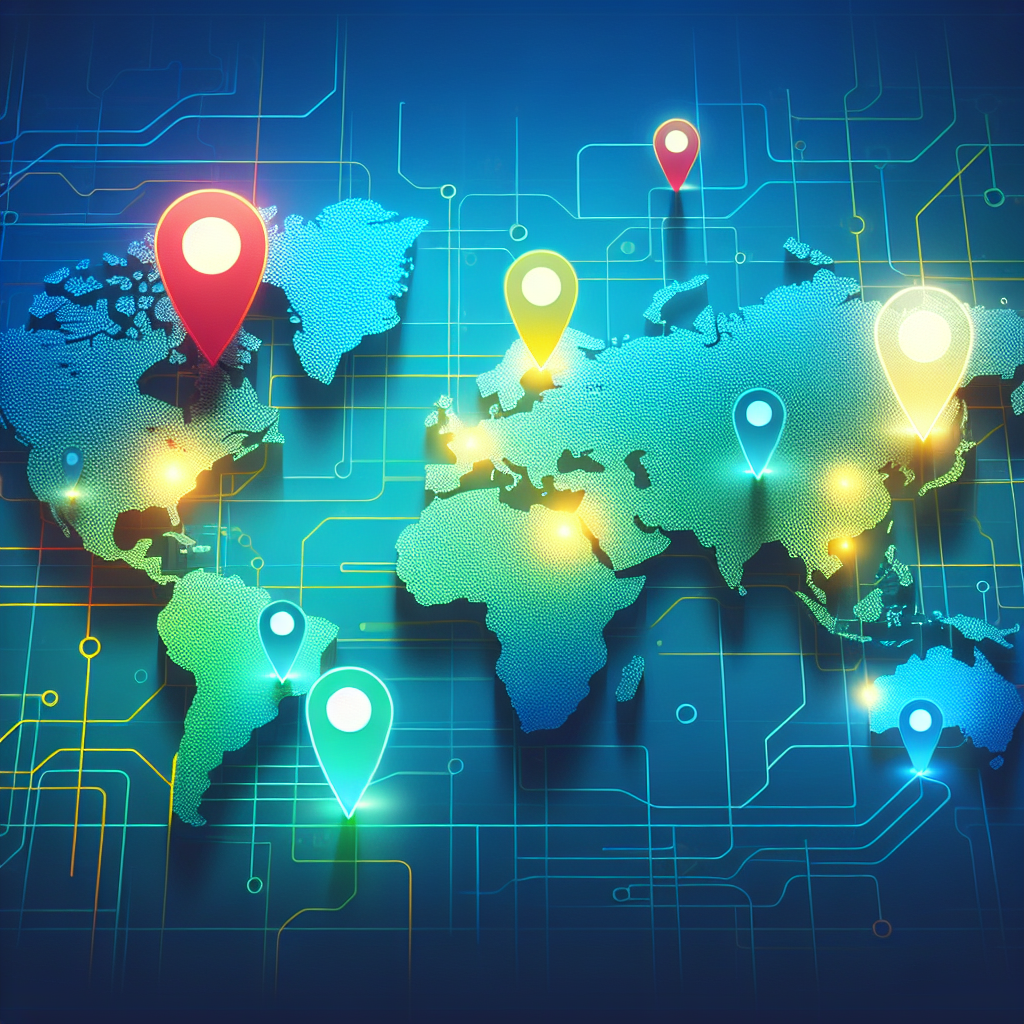
How to Use Geotargeting in Your Advertising Campaigns
In today’s digital marketing landscape, reaching the right audience at the right time is crucial for the success of any advertising campaign. One powerful tool that has emerged to help advertisers nail this precision is geotargeting. But what exactly is geotargeting, and how can you effectively use it in your advertising efforts? Let’s dive in! 🌍
Table of Contents
1. What is Geotargeting?
2. Benefits of Geotargeting in Advertising
3. How to Implement Geotargeting in Your Campaigns
4. Best Practices for Geotargeting
5. Common Mistakes to Avoid
6. Conclusion
7. FAQs
What is Geotargeting?
Geotargeting is a marketing strategy that involves delivering content or advertisements to consumers based on their geographic location. This could mean targeting users in a specific country, city, or even neighborhood. By leveraging data such as IP addresses, GPS, and mobile signals, businesses can ensure their ads are seen by those who are most likely to benefit from them. Imagine being able to tailor your message to the local culture, language, or even the weather—geotargeting makes this possible! 📍
Benefits of Geotargeting in Advertising
Geotargeting offers a plethora of advantages that can transform your advertising campaigns:
1. Increased Relevance
By targeting specific locations, your ads are more relevant to the audience, leading to higher engagement rates. When consumers see ads that resonate with their local environment, they are more likely to respond positively.
2. Cost Efficiency
Why spend your advertising budget on a global audience if only a local segment matters? Geotargeting allows you to focus your resources on areas with the highest potential return on investment, reducing unnecessary ad spend.
3. Enhanced Personalization
Personalization is key in modern marketing. Geotargeting allows you to customize ads based on local events, holidays, and trends, making your message more personal and timely.
How to Implement Geotargeting in Your Campaigns
Now that we’ve established why geotargeting is beneficial, let’s explore how to implement it effectively:
1. Define Your Target Locations
Start by identifying the regions or areas that are most relevant to your business goals. Use market research to determine where your potential customers are concentrated.
2. Utilize Geolocation Data
Access geolocation data through platforms like Google Ads, Facebook Ads, or other ad networks that offer location-based targeting. This data is crucial for precisely targeting your desired audience.
3. Craft Localized Content
Create ad content that resonates with the local audience. This could mean using local slang, mentioning local events, or addressing specific local needs. The more your ads speak to the local culture, the better!
4. Test and Optimize
Regularly test different geotargeted campaigns to see what works best. Use A/B testing to compare different approaches and continually refine your strategies based on performance data.
Best Practices for Geotargeting
To maximize the effectiveness of your geotargeting efforts, consider these best practices:
1. Use Layers of Targeting
Combine geotargeting with other targeting methods, such as demographic and interest-based targeting, to further refine your audience and increase ad relevance.
2. Monitor Competitor Activity
Keep an eye on your competitors’ geotargeting strategies. Understanding where and how they target their ads can provide valuable insights for your own campaigns.
3. Stay Updated with Local Trends
Local trends and events can change rapidly. Stay informed about what’s happening in your target areas to ensure your ads remain relevant and timely.
Common Mistakes to Avoid
While geotargeting can be a powerful tool, it’s important to avoid common pitfalls:
1. Over-Targeting
Be careful not to narrow your target audience too much, as this can limit your reach and reduce the effectiveness of your campaign.
2. Ignoring Data Privacy
Respect user privacy and comply with data protection regulations. Always be transparent about how you use geolocation data.
3. Failing to Update Campaigns
A geotargeted campaign is not a set-it-and-forget-it strategy. Regularly update your ads to keep them fresh and relevant to the local audience.
Conclusion
Geotargeting is a powerful strategy that can significantly enhance the effectiveness of your advertising campaigns by ensuring that your ads reach the right people at the right time. By understanding your audience, leveraging location data, and crafting personalized content, you can create highly targeted campaigns that resonate with local consumers and drive better results. 🌟
FAQs
What types of businesses benefit most from geotargeting?
While any business can benefit from geotargeting, it is especially advantageous for local businesses, franchises, service providers, and event organizers looking to attract a nearby audience.
How precise can geotargeting be?
Geotargeting can be highly precise, targeting users down to a specific neighborhood or even a single store location, depending on the data and tools used.
Is geotargeting expensive to implement?
The cost of geotargeting depends on the platform and the scope of your campaign. However, its ability to focus resources on high-potential areas often results in better cost efficiency compared to broader targeting methods.
Ready to take your advertising campaigns to the next level with geotargeting? Start implementing these strategies today and watch your engagement soar! 🚀